Pacific Ocean Row 2014
A rowing expedition built around environmental observation and education for young people.
Why a row
The Pacific Ocean Row 2014 was conceived as a learning expedition under the Oceans Project Georgia programme. A slow passage across open water makes the ocean visible in a way that a map or a screen cannot. Every day brings new readings of temperature, wind, water colour and the material found floating on the surface.
The expedition existed to give young people a direct link to the ocean and a clear method for asking questions about it. Its records were written up so that classrooms could follow the voyage and use the same observations in their own lessons.
How the passage was structured
Stage one
Preparation
Crew and school partners agreed the observation schedule, the instruments to be used and the way results would be shared.
Stage two
Daily logging
Each day followed a fixed routine of readings, so that changes in the water could be compared from one day to the next.
Stage three
Shared review
Readings were returned to classrooms, where students checked them against their own questions and noted where the data was incomplete.
Logs were kept in plain language so that younger students could read them without specialist knowledge.
What the crew recorded
Observations focused on what could be measured reliably from a small boat: surface temperature, wind direction and strength, cloud cover and the presence of debris. Notes described the sea state in words as well as numbers, so that a reader could picture the conditions.
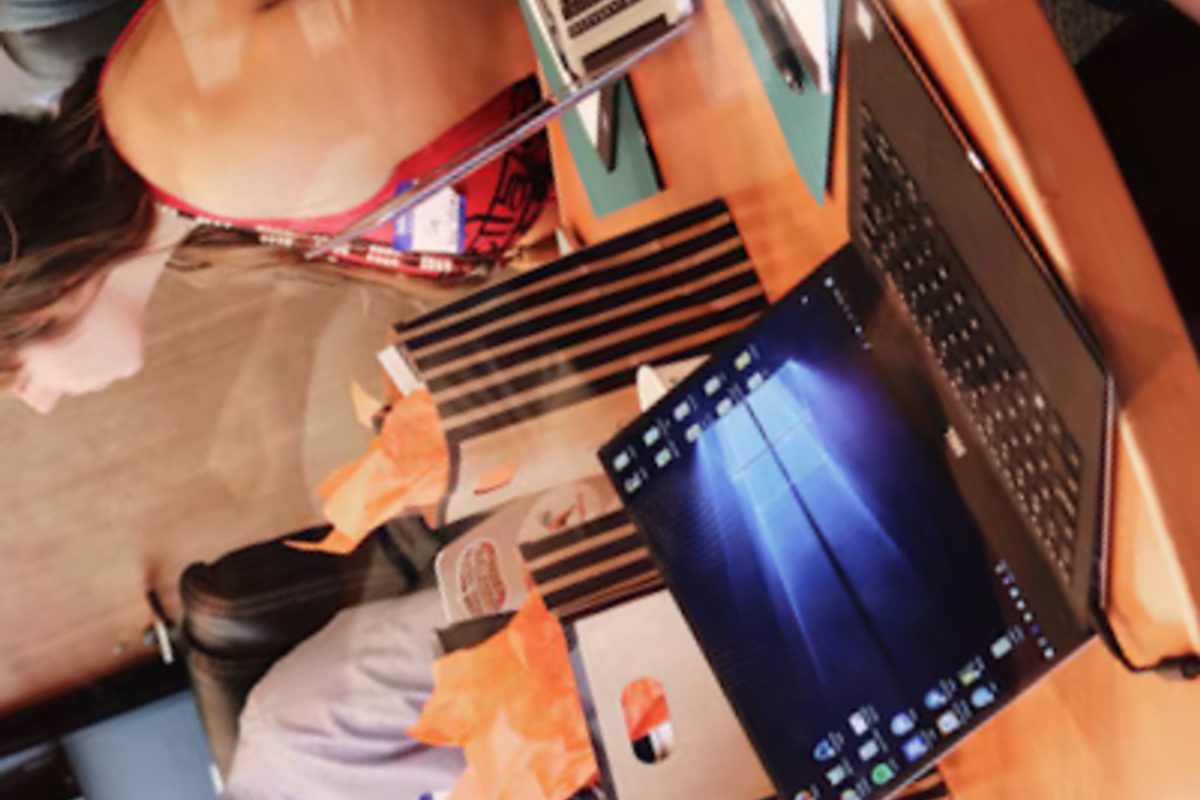
Teachers continue to use the expedition logs as case studies in marine science, and students compare them with coastal data from their own region.

Continue the work
The row was one of several voyages in the programme. Readers who want to see how the same method is applied on shorter trips can read the expedition programme, and teachers can adapt the logging routine using materials from the online classroom.