People
The educators, leaders and volunteers who run Oceans Project Georgia.
A small team with a wide reach
Oceans Project Georgia is run by a compact group of people who share one goal: giving young people around the world a practical understanding of the environment and their part in protecting it.
Shared purpose
Every person involved with the programme works from the same starting point. Environmental education should be accessible, accurate and rooted in real places. Our team plans lessons, sessions and expeditions with that principle in mind, and reviews each one against what learners actually take away from it.
Because the programme reaches young people in many countries, our people spend as much time listening as they do teaching. Feedback from teachers, parents and students shapes how material is written and how sessions are paced.
How the work is divided
Leadership sets direction and keeps the programme consistent. Education staff write and adapt lesson material. Coordinators handle scheduling and communication with partner schools. Volunteers support live sessions and help review outcomes.
Founding and project direction
The programme has two senior roles that guide its daily work. Each has a dedicated page describing responsibilities and the approach behind the work.
Founder and director
The founder and director sets the long-term aims of the programme and represents it to schools, partners and funders. Read more about the vision that shapes Oceans Project Georgia on the founder page.
Project leader
The project leader manages the planning and delivery of individual programmes, from lesson sequencing to session logistics. The project leader page explains how projects move from an idea to a finished learning unit.
Working beyond the classroom
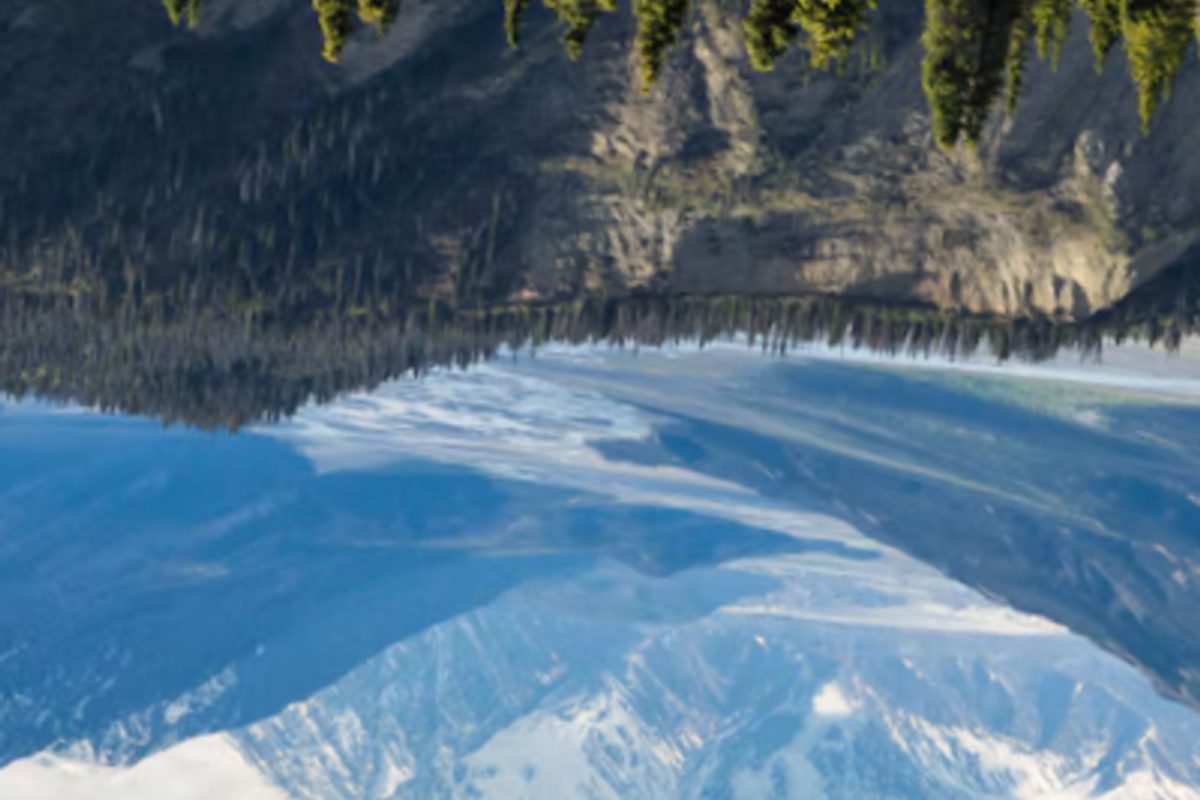
Some members of the team take part in field expeditions, where they document conditions and help learners record what they observe. These trips inform the examples used in later lessons.
Working with the team
Teachers, learners and community members can contact the programme through the usual channels and join existing sessions.
Teachers who want to bring the programme into their classroom can start with the online programme and the lesson plans. Learners who want to see the work in action can read about recent expeditions.
The team publishes updates and reflections on the blog, and the home page gives an overview of the full programme.